Heat exchangers
Heat exchangers are devices used to transfer heat from one heat carrier to another. They are designed and selected based on each client's specific needs.
Their purpose is to transfer heat from one fluid medium (water or gas) to another. The two dominant types of heat exchangers are tubular and plate heat exchangers.
Tubular heat exchangers are used when at least one of the circulating fluid media is in a gaseous phase, while plate heat exchangers are used when both media are in a liquid state. These devices can be applied in various systems, such as central heating, hot water preparation, and industries including food processing, chemical manufacturing, and construction. They help optimize the use of energy resources more efficiently.
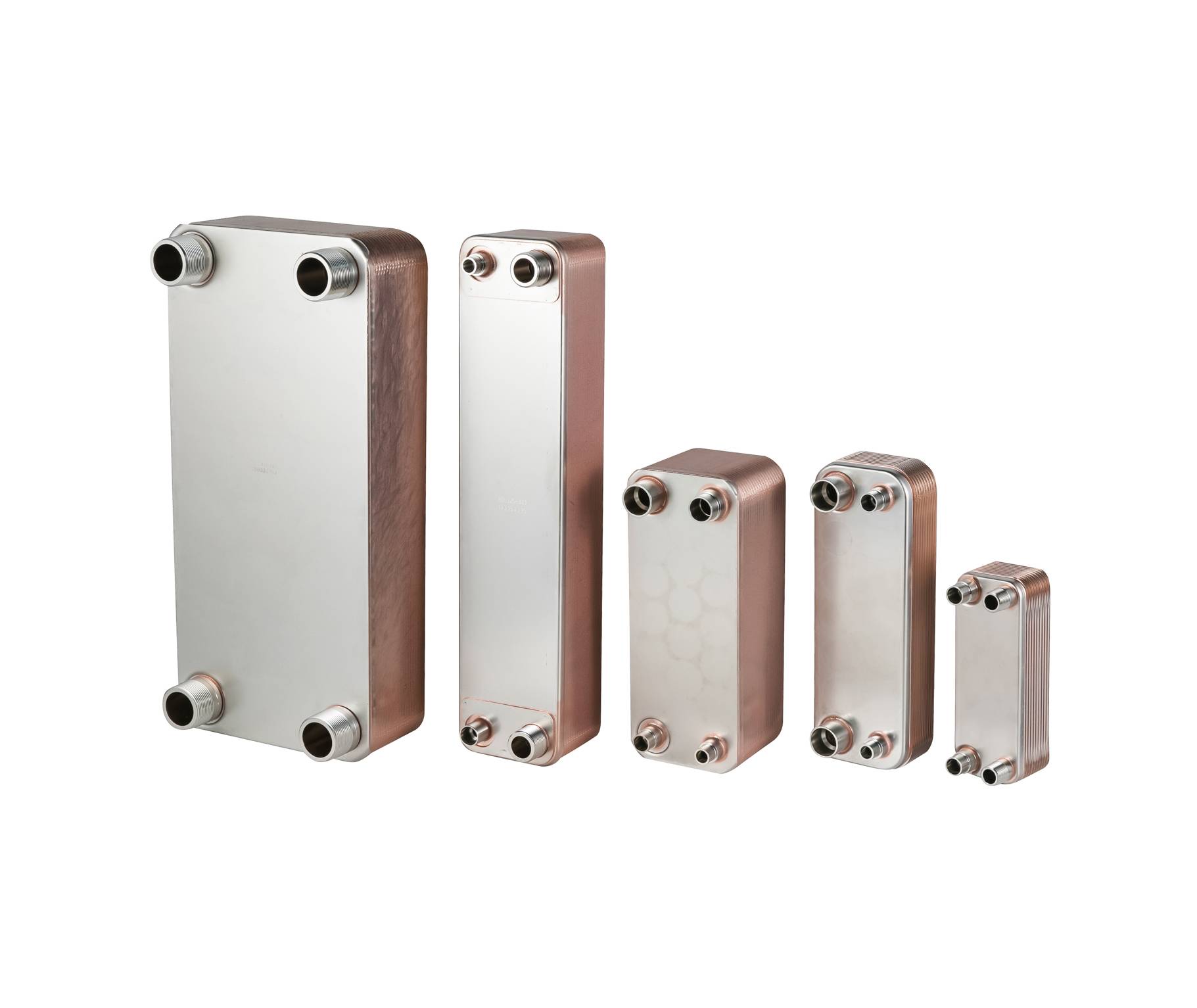
Plate or shell-and-tube heat exchangers — the choice depends on the state of the media: plate heat exchangers are suitable when both media are liquids, while shell-and-tube heat exchangers are used when one of the media is gaseous, such as steam.
Selected based on calculation — the appropriate heat exchanger is selected according to the required heat transfer capacity, the media involved, their temperatures, and pressure, rather than a standard catalogue specification.
Industrial applications — used in central heating and hot water preparation systems, as well as in the food, chemical, and construction industries where efficient heat transfer is required.
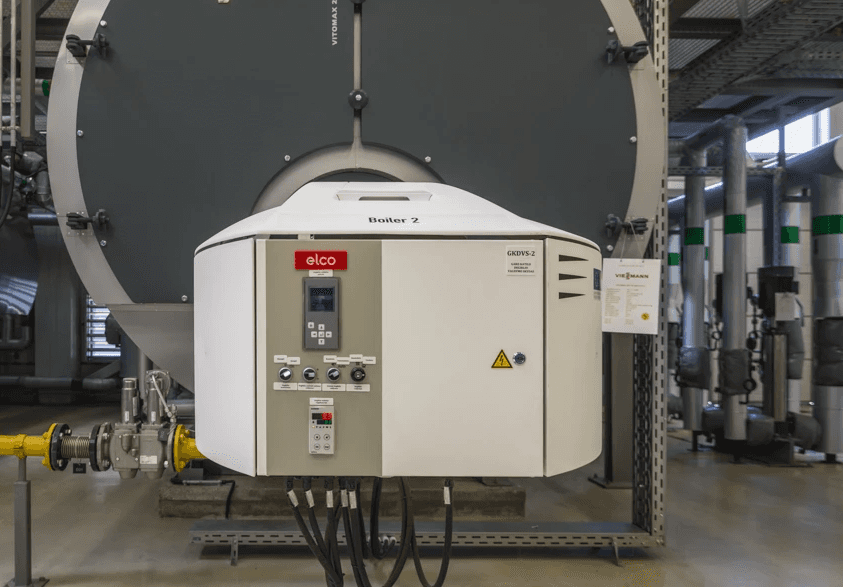
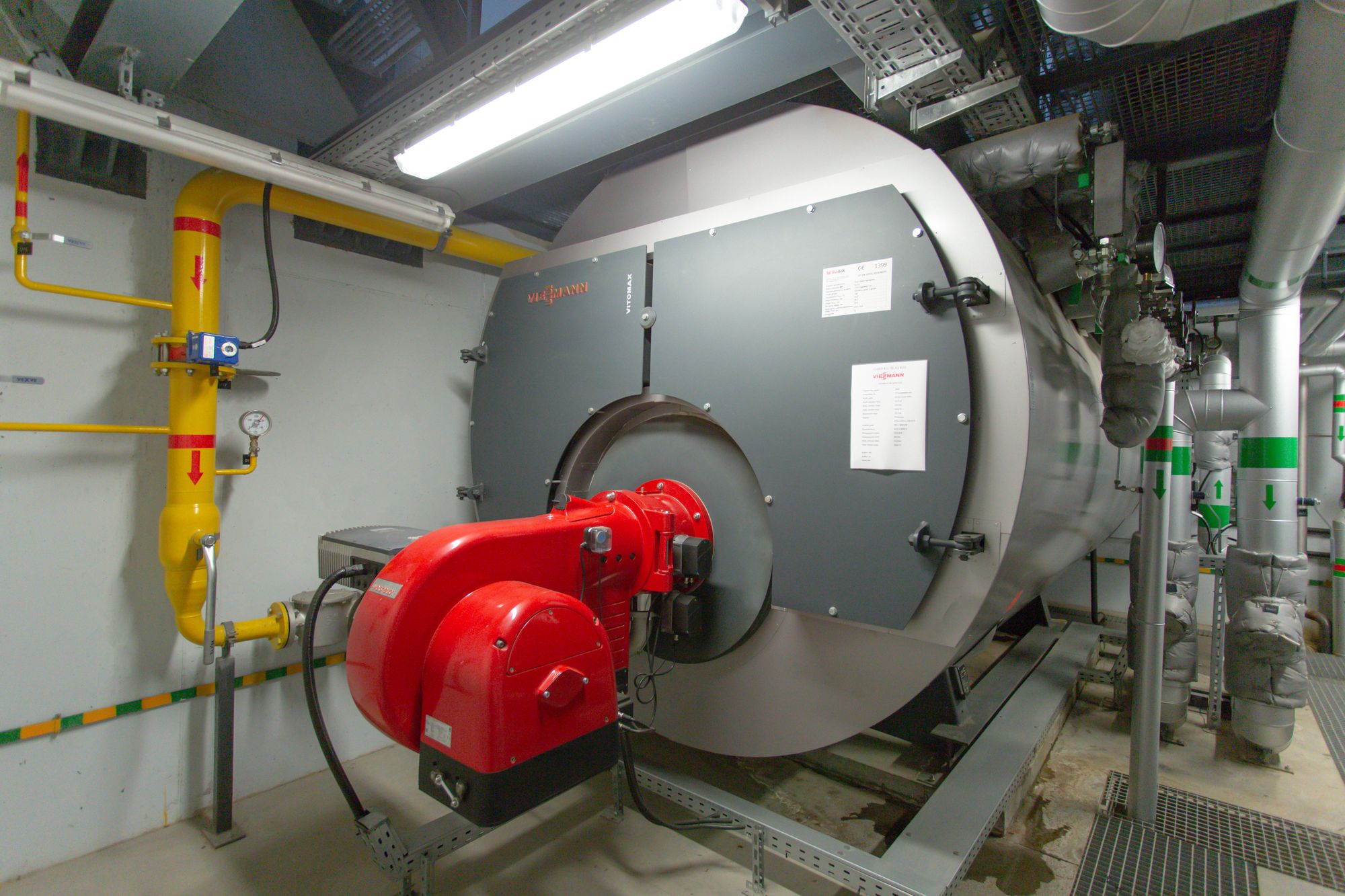
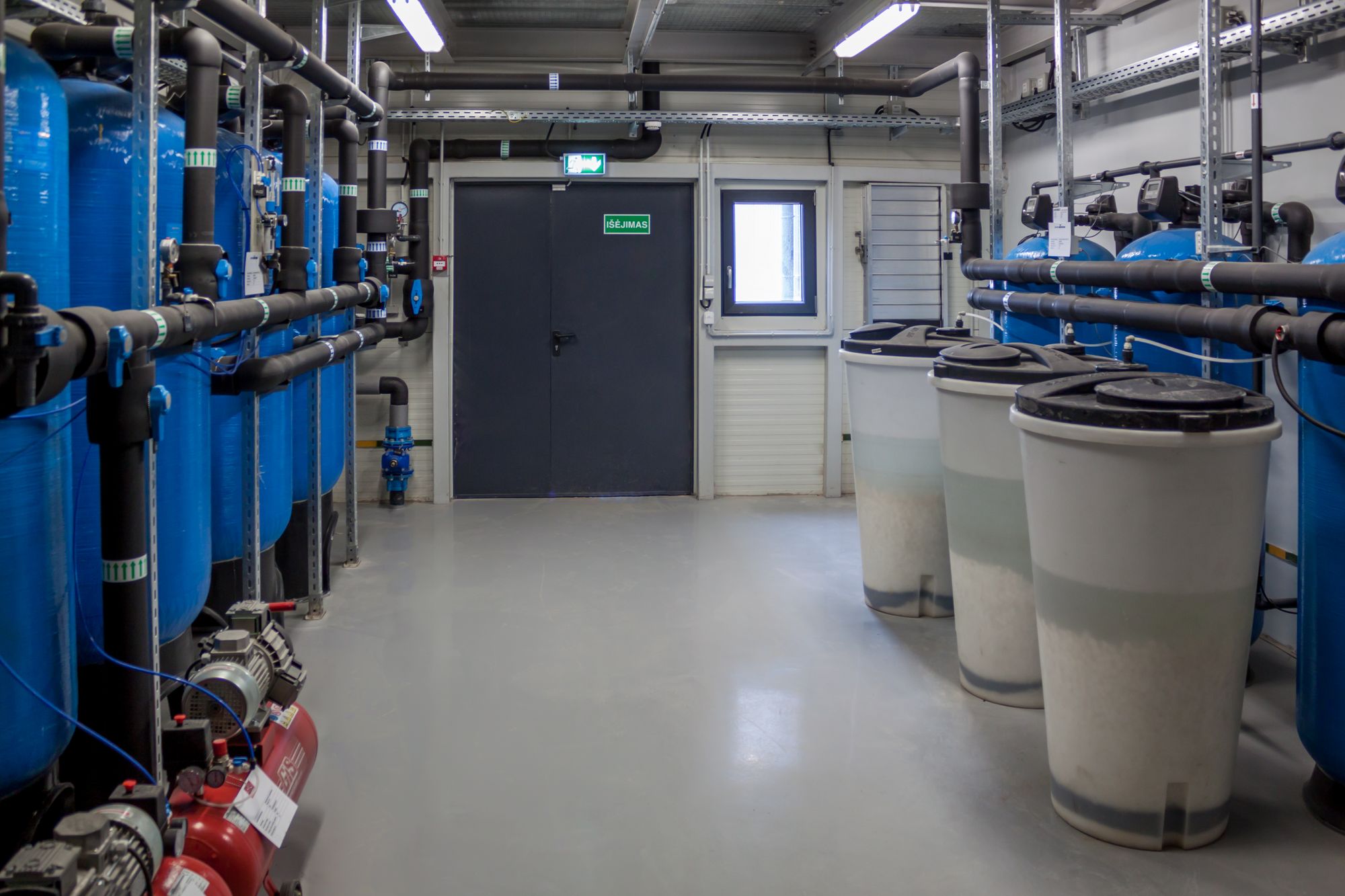
Related equipment in one place — heat exchangers can be combined with steam and hot water boilers as well as water treatment equipment.